
Peter Beard’s Wildlife Classic ‘The End of the Game’ Gets Expanded Taschen Edition
A new version of the 1965 book updates the swashbuckling photographer’s haunting documentation of African ecosystems.
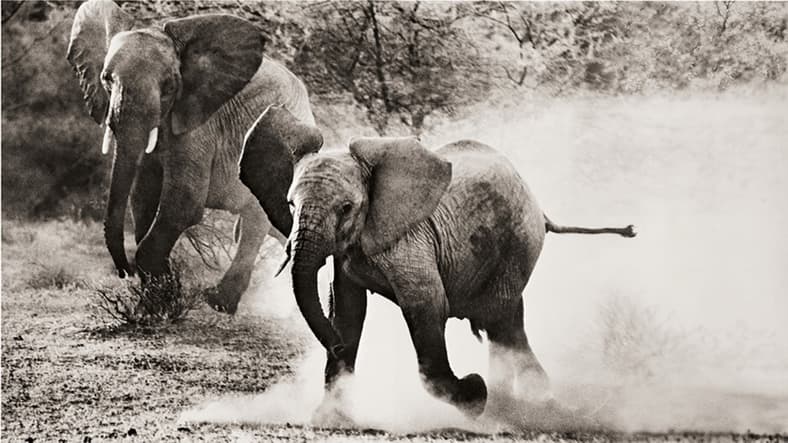
Peter Beard’s landmark photography bookThe End of the Game—a stunning work that examines the historical roots of Africa’s wildlife crisis—just got a major update from luxury publisher Taschen. Overseen by the artist’s daughter Zara Beard, the new 300-page hardcover edition serves as a powerful testament to the devastation brought upon the continent’s imperiled animal kingdom.
The book chronicles the mass starvation of tens of thousands of elephants, rhinos, and hippos across Kenya’s Tsavo lowlands and Uganda’s parklands during the 1960s and ’70s. Beard was a famed photographer, artist, and naturalist who split his life between the unforgiving Kenyan bush and the glamour of Manhattan high society. The dashing Yale graduate and trust-fund scion was a legendarily hard-partying figure during Studio 54’s golden era in the late ’70s and beyond, running with the likes of Andy Warhol, Mick Jagger, Salvador Dali, Grace Jones, and Truman Capote, becoming a gossip column fixture when he wasn’t creating enduring works of art.
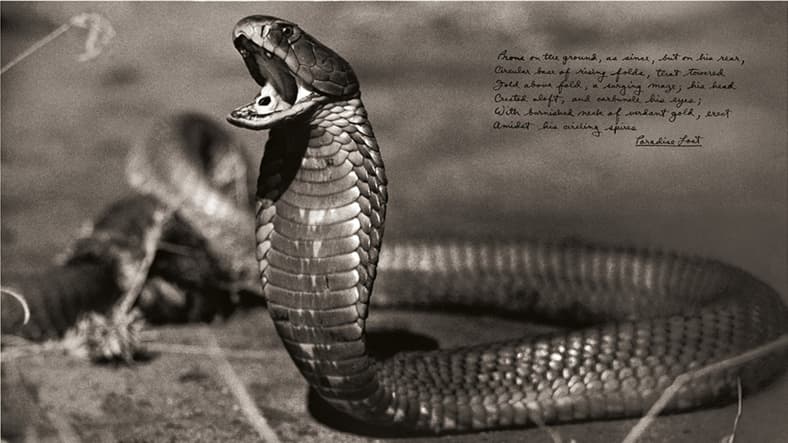
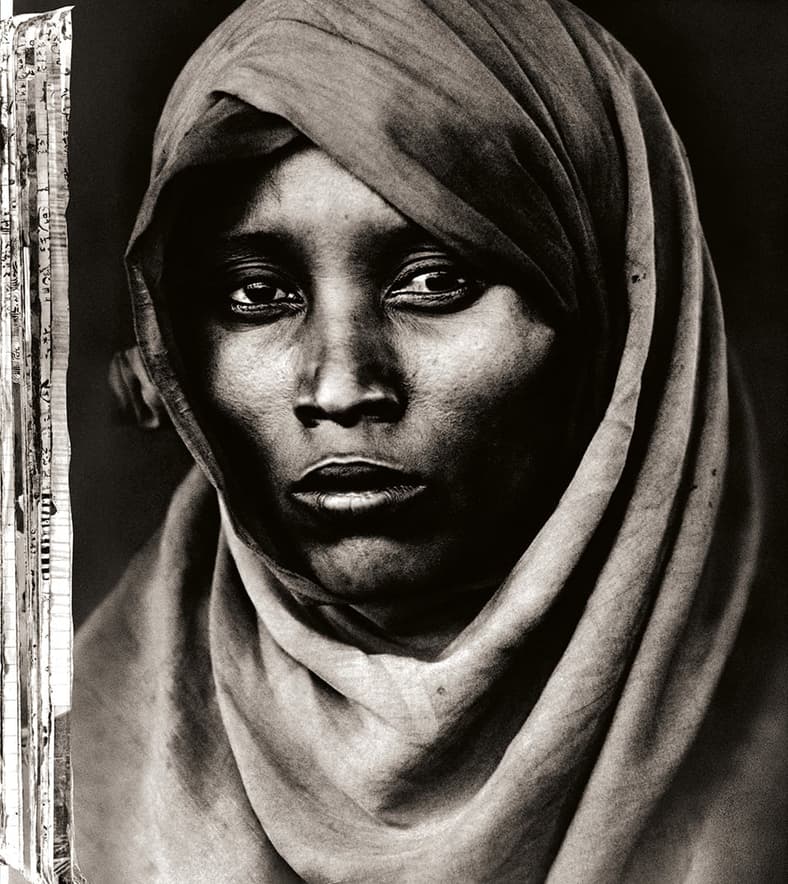
Besides documenting Africa’s vanishing wildlife and reveling in decadent New York nightlife, Beard was renowned for photographing some of the world’s most beautiful women for Vogue, Elle, GQ and other magazines. He was married to model Cheryl Tiegs, romanced Candice Bergen and Lee Radziwill—the sister of Jacqueline Kennedy Onassis—and famously discovered a young Somali student named Iman in 1975 and helped launch her into supermodel stardom. “The last thing left in nature is the beauty of women, so I’m very happy photographing it,” Beard told British newspaperThe Observer in 1997.
Iman went on to inspire Yves Saint Laurent’s “African Queen” collection and was a Thierry Mugler muse before marrying rock icon David Bowie in 1992, a glamorous union that lasted until Bowie’s death in 2016. Beard died in 2020 at age 82 after disappearing from his home in Montauk, on the Eastern End of Long Island. He was found dead in the nearby woods after suffering from dementia.
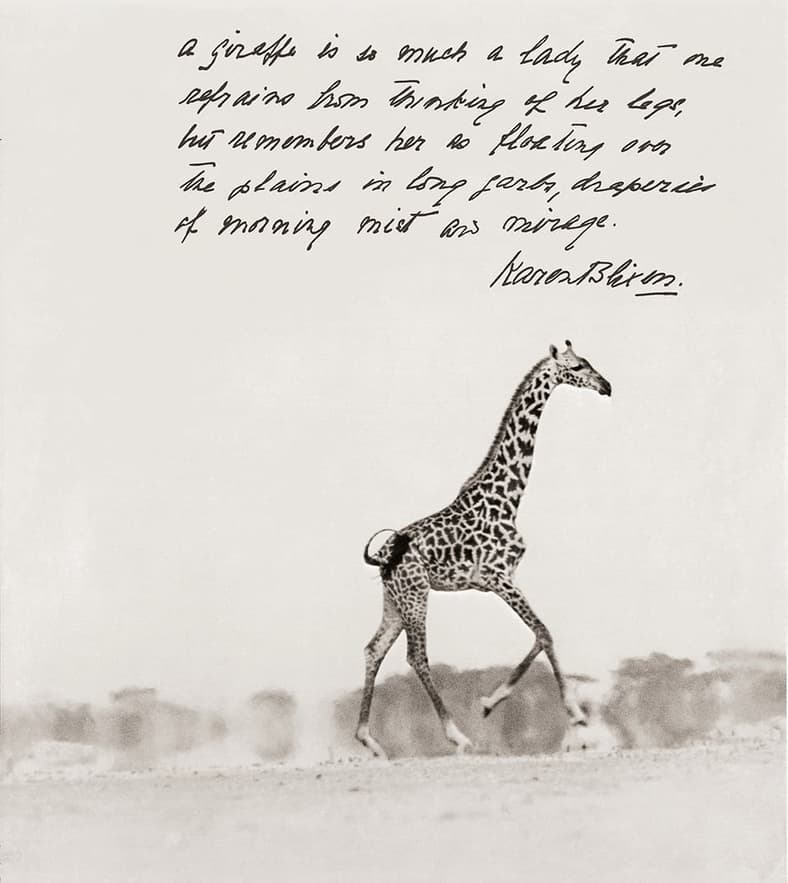
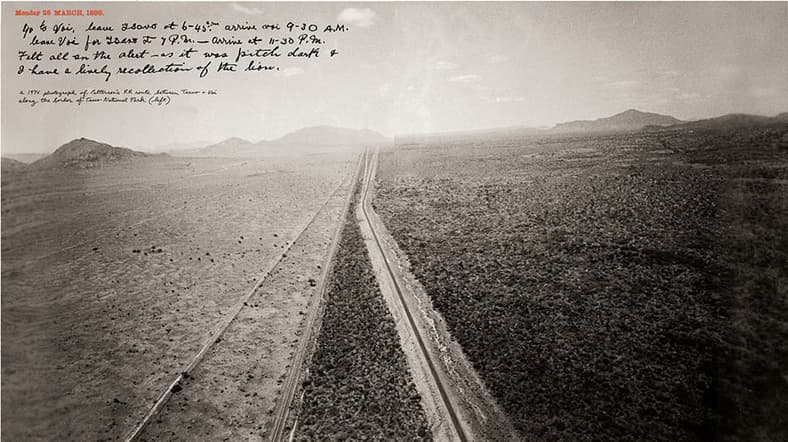
Besides being a revered photographer and artist, he also created sprawling journals to accompany his wildly vivid imagery. Beard’s most famous works—like his haunting portraits of massive bull elephants or Vogue fashion spreads shot on location at his Hog Ranch property outside Nairobi—were often layered with handwritten diary entries, newspaper clips, model snapshots, and sometimes smears of actual animal blood.
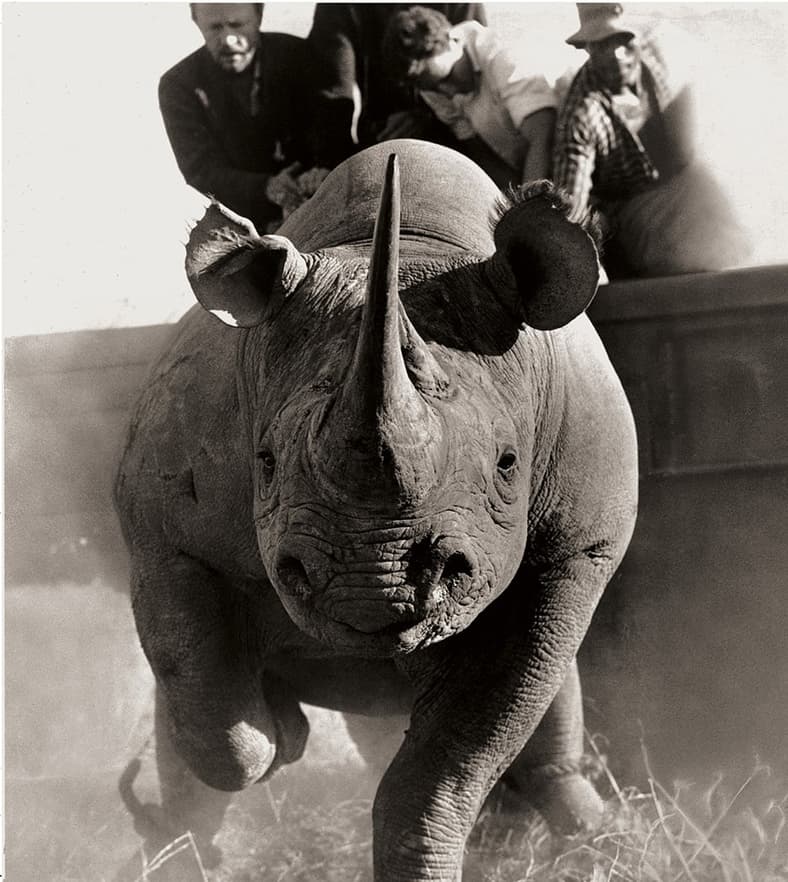
The latest End of the Game re-release sees Beard’s imagery supplemented by photos and text from early explorers, adventurers, big-game hunters, and writers who frequented Africa, including Theodore Roosevelt, Ernest Hemingway, and Isak Dinesen. The expanded volume features an interview with conservationist Dr. Esmond Bradley Martin and retains essays from previous editions by writer Paul Theroux and ecologist Dr. Richard M. Laws, alongside afterword contributions from agronomist Dr. Norman Borlaug.
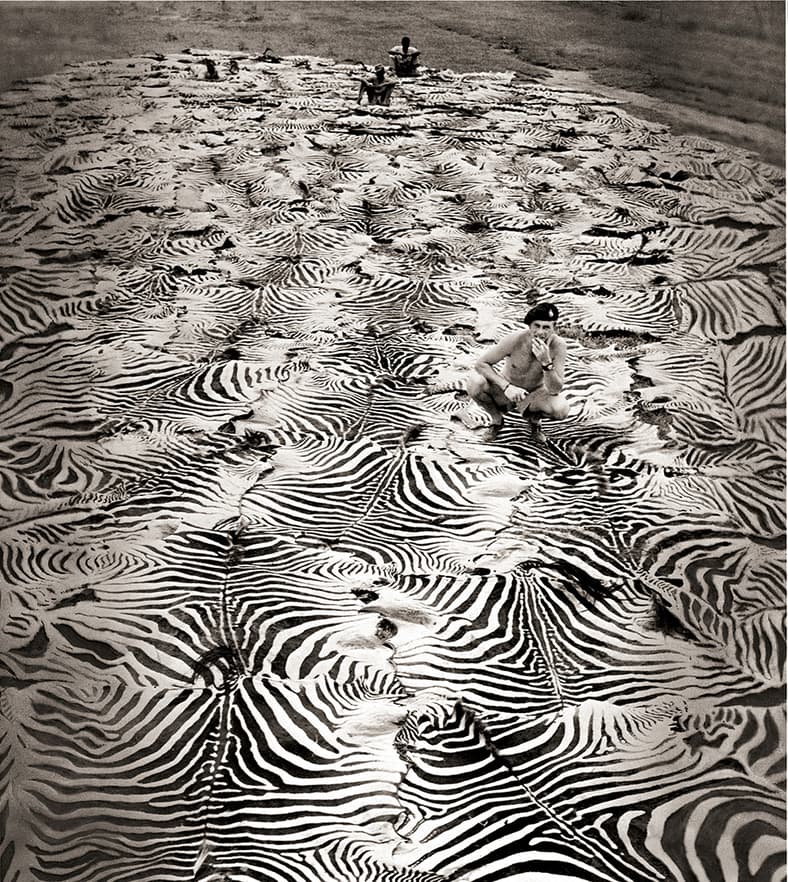
The classic wildlife tome’s core themes—including human distance from nature, population density, and environmental stress—are perhaps even more relevant today than when it was first published in 1965. Here, Beard’s daughter Zara tells Maxim about the storied legacy of her father’s signature book and why the new edition is a worthy addition to any coffee table collection.
How does The End of the Game encapsulate your father’s legacy?
If I had to choose one work that most encapsulates my father, it would be The End of the Game, because everything else radiates outward from it. People sometimes think of it as a photography book about elephants or conservation, but to me it is much bigger than that. It is about the collapse of the idea that anything is endless. Endless wilderness. Endless animals. Endless room for humans to expand without consequence. My father understood that frighteningly early.
What feels extraordinary, and honestly quite heartbreaking, is how relevant it still is now. He was documenting something the world had not yet fully understood. What also makes the book so powerful is that it refuses to sit neatly in one category. It is photography, yes, but also diary, collage, history, observation, grief, humor, memory. It feels messy and alive in the way real life is messy and alive. That, to me, feels very much like him.
On a personal level, I cannot separate the book from who I became. I grew up in Kenya, surrounded by the landscapes and wildlife that shaped my father so profoundly, and that gave me an understanding very early on that nature is not scenery. It is alive, fragile, and increasingly vulnerable. Today, alongside directing my father’s estate, I work in wildlife rescue and founded a conservation nonprofit (EchoWild), and there is a direct line between the values embedded in that book and the person I became. And perhaps what feels most meaningful about revisiting The End of the Game now is that the world has finally caught up to the questions he was asking. It no longer feels like a historical document. It feels startlingly current.
Your father seemed to move effortlessly between the wilds of Kenya and the glamorous worlds of fashion, art, and supermodels. Do you think he saw those worlds as separate parts of his life—or were they all connected by the same sense of adventure and curiosity?
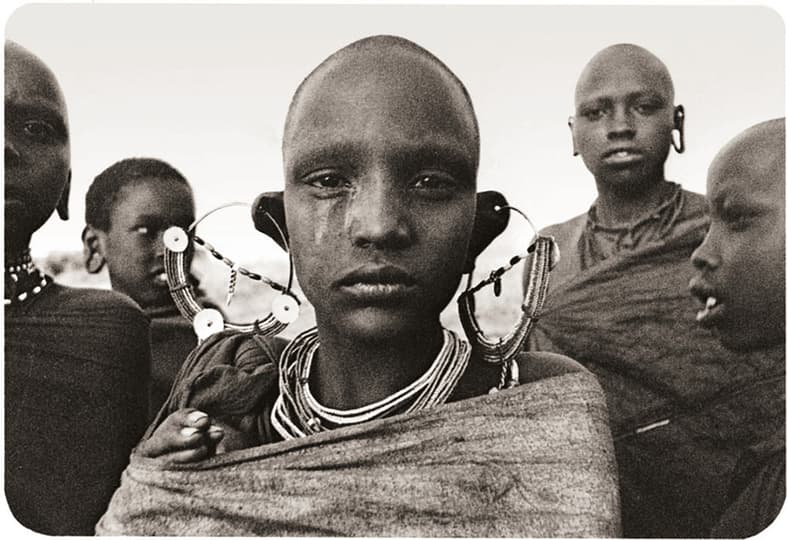
People often frame those worlds as opposites, but I do not think my father experienced them that way. To him, they were all connected by the same fascination: beauty, intensity, contradiction, and the raw unpredictability of life. Whether he was in the bush in Kenya, in an artist’s studio, surrounded by musicians, or photographing models, he was drawn to places and people that felt alive, untamed, and somehow on the edge of transformation.
Kenya was not separate from the rest of his life. It was foundational. It shaped the way he saw the world and the questions he spent his life asking. But he also understood that humans are complicated and contradictory, and he never wanted life to be neat or singular. The glamour and art worlds are often spoken about as though they somehow undermined his conservation work, but I think he saw them simply as different expressions of the same human drama. Beauty and excess, fragility and destruction, wildness and artifice—he was interested in all of it. And perhaps that complexity is part of why his work still resonates. He never stood outside the world pointing a finger. He immersed himself in it, contradictions and all.
What are your favorite sections of The End of the Game and why?
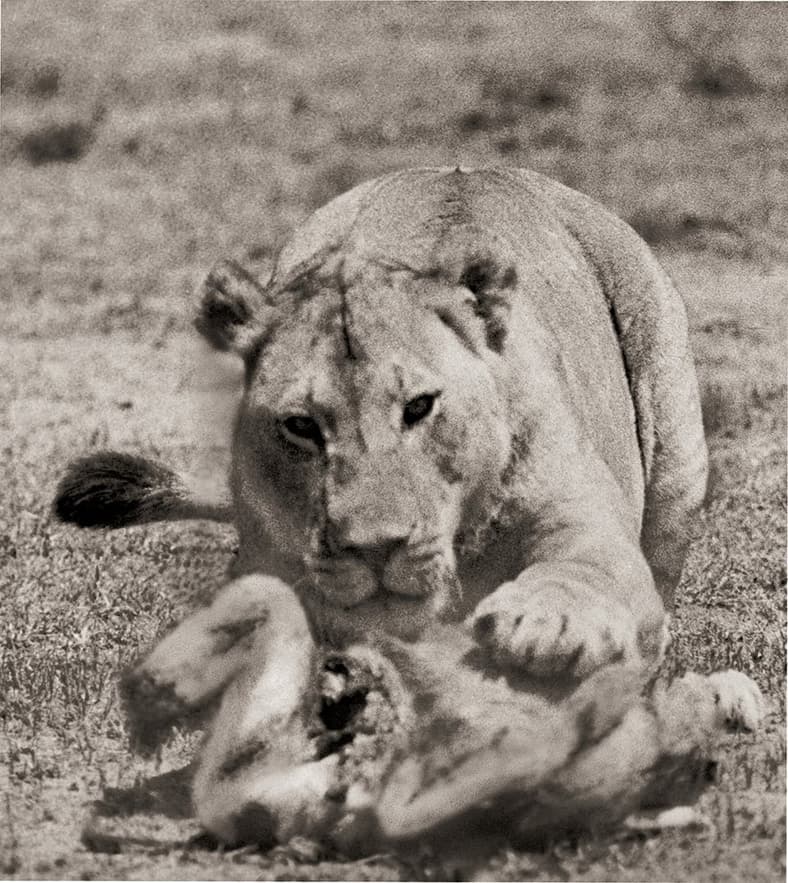
My relationship to The End of the Game has changed enormously over time. When I was younger, I was probably most struck by the scale and visual power of it, the landscapes, the elephants, the feeling of vastness and wildness that runs through the book. But as I have gotten older, and especially after losing my father, I find myself drawn to different parts of it.
One section that has become especially meaningful to me is the letter at the very end of the book that was personally hand-delivered to the ninth-floor offices of 60 Minutes, along with a handwritten statement by Nobel Laureate Dr. Norman Borlaug. In it, my father writes with enormous urgency and distress about a segment they aired concerning the Tsavo elephants and what he believed was a dangerous misrepresentation of the crisis unfolding there.
He writes, “Over 30,000 overcrowded elephants and untold thousands of rhinos have torturously starved to death in Tsavo since December 1971. They did not have the luck to die of arrow or bullet wounds…” What moves me about that section is how clearly you can hear his voice: the passion, the outrage, and the heartbreak. He had witnessed what was happening firsthand, and he cared fiercely about telling the truth of it, even when that truth was inconvenient.
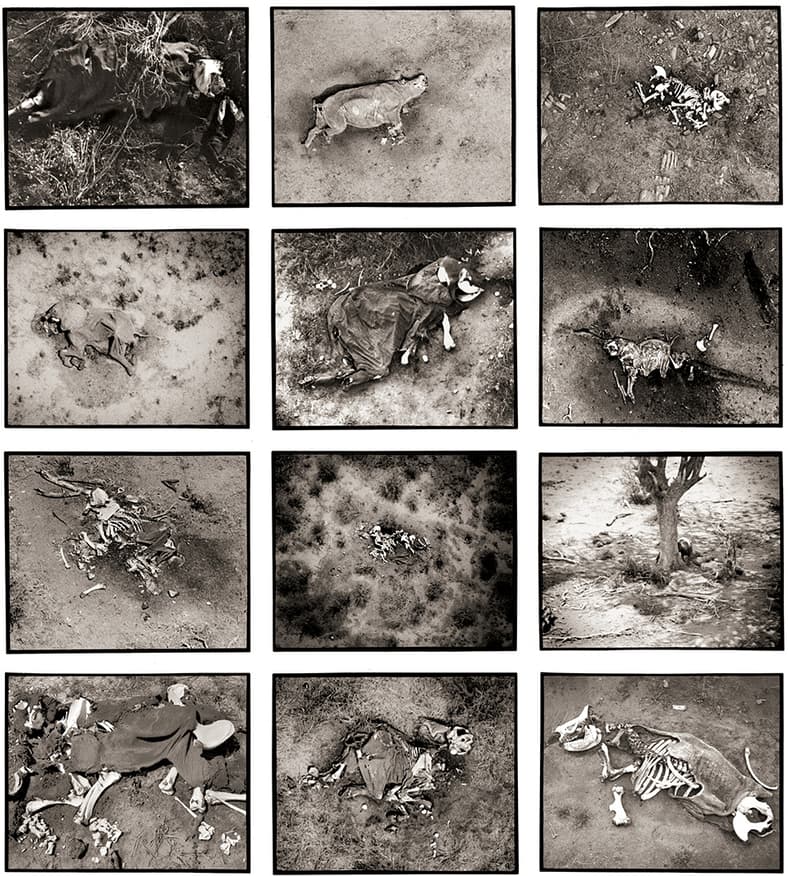
What makes it especially poignant to me is that the letter was ignored. It was never answered. In fact, after it was sent, the segment was re-aired. And yet he never gave up. He continued speaking, documenting, writing, and sounding the alarm for the rest of his life. There is a line later in the letter that stays with me: “We can no longer afford to twist the truth.” What I admire most is how deeply he cared, and how he never stopped caring, even when people were not listening. That persistence, and that refusal to look away, feels deeply woven into the book itself.
Peter’s work blended photography, diary entries, collage, and historical documentation in a way that felt deeply personal but also journalistic. What do you think made his approach to conservation storytelling so distinct from other photographers of his era?
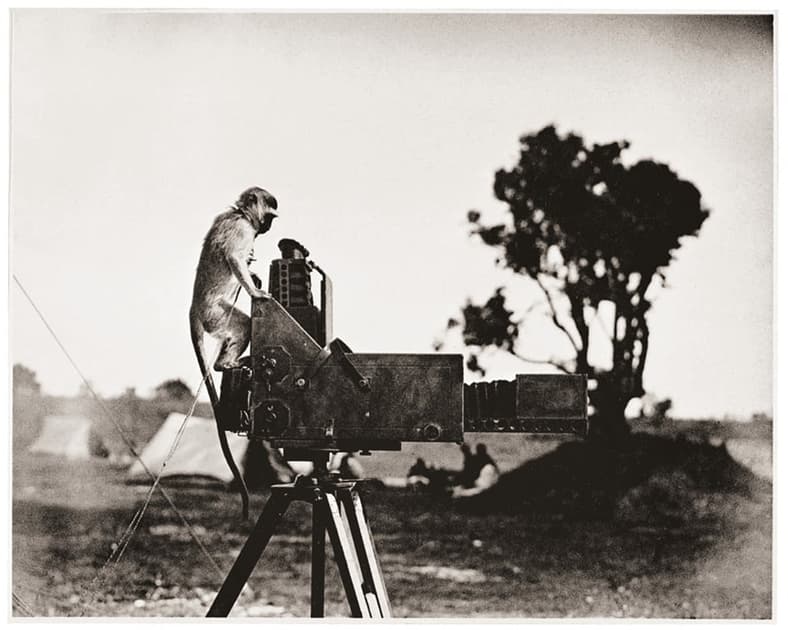
I think what made my father’s work so distinct was that he was never documenting conservation from a distance. He was inside the story. He lived in Kenya for decades. He knew the people, the politics, the landscapes, and the heartbreak intimately. He was not parachuting in to photograph wildlife as spectacle. He was witnessing change unfold in real time and grappling with what it meant.
Many photographers of that era captured the majesty of wilderness, and some did so beautifully. But my father was interested in something messier and more uncomfortable. He was documenting consequence. His work refused to separate beauty from destruction. He understood that beauty alone rarely changes people. Beauty paired with grief, memory, and loss can.
He layered photography with personal writings, found objects, handwritten notes, newspaper clippings, and collage because he understood that truth is rarely linear. History is fragmented. Environmental collapse is fragmented. His work mirrors that complexity. What feels especially prescient now is that he understood conservation was never only about animals. It was about systems: colonial histories, politics, economics, human ambition, displacement, greed, and our belief that nature exists outside of us rather than alongside us.
The new edition of The End of The Game can be pre-ordered now for $100 at Taschen.com.