
Spirit Of The Week: Louis XIII’s First New Rare Cask Cognac In Over A Decade Is A $50,000 Splurge
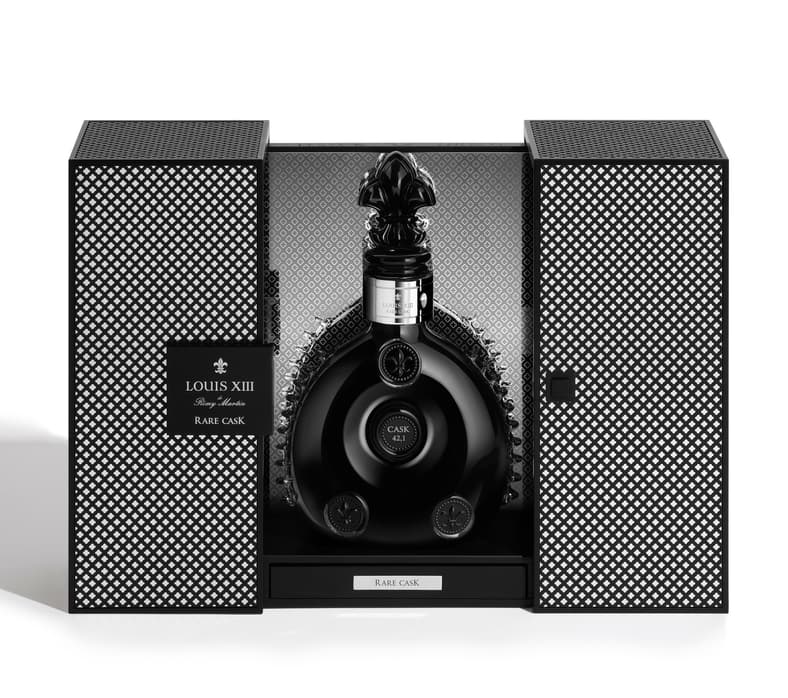
The legendary Cognac house just released Rare Cask 42.1, a single-cask expression more than a century in the making, personally selected by Cellar Master Baptiste Loiseau.
Most spirits exist primarily to offer fleeting, yet meaningful, pleasure. A spontaneous celebration, like the clink of glass to welcome an old friend. Meanwhile, others are conceived from inception to capture and suspend a joyous moment. Think that bottle of ancestral Tepextate mezcal saved for a birthday, or an Eagle Rare 17 tucked away for a wedding toast. And then there are those that breathe an even more rarefied air, ones attempting something far more ambitious: to embody time itself.
Welcome, Louis XIII Cognac and its Rare Cask 42.1 expression. For more than 150 years, Louis XIII has existed in the latter realm, a liquid archive built from casks so patient that the men and women who select them will never taste their final form. Never mind those who picked the grapes from the vines themselves, or distilled them into eaux-de-vie—the initial white lightning that will, if chosen, eventually mature into Cognac. Because the now legendary Louis XIII is not merely a prestige Cognac, nor even a luxury icon. Louis XIII is honestly no less than an ongoing conversation across generations.
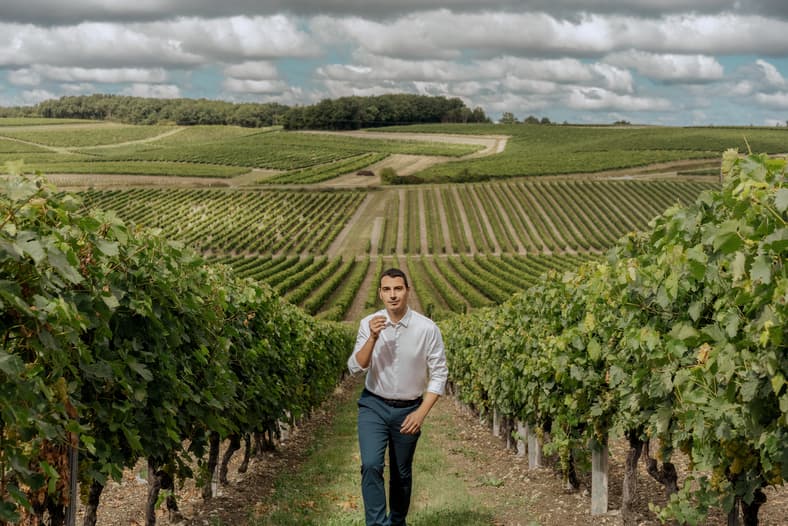
At the center of that conversation today stands Baptiste Loiseau, who became the youngest Cellar Master in Louis XIII’s history when he assumed the role for the House of Rémy Martin in 2014. Trained as an agronomist and winemaker rather than born into a dynastic Cognac lineage, Loiseau represents both continuity and evolution within the storied Maison. Released to thunderous appeal, the Louis XIII Rare Cask 42.1 Decanter represents his most personal expression to date.
“The Rare Cask is much more a personal approach and the audacity of the Cellar Master,” Loiseau admits to Maxim in comparing these rare one-offs with the foundational Louis XIII offering. You see, Rare Cask is not a reinterpretation of Louis XIII’s past, but rather a snapshot of its present as seen through the sensory lens of one individual. “[Rare Cask] is the exception. We say that it’s a wonder of time and nature,” the celebrated blender continues. “It is something that we cannot control, it is something that we cannot explain. It’s just something that you welcome as different, and that has to be highlighted because it is singular.”
A House Of Chalk And Yeast
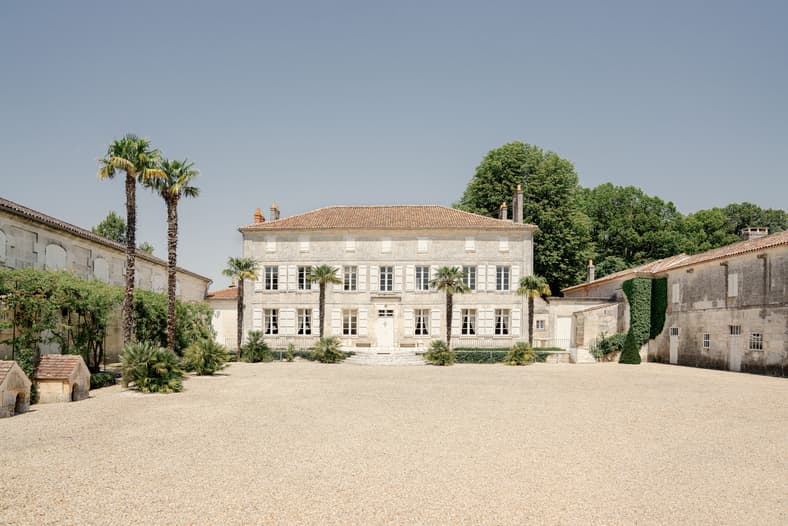
To understand Louis XIII, one must begin with the legendary Maison de Rémy Martin itself. Founded in 1724 in Cognac’s Charente region, the house distinguished itself early with an uncompromising focus on terroir—specifically the famed chalky soils of Grande Champagne and Petite Champagne. While other producers pursued volume or uniformity, Rémy Martin dialed in on provenance, selecting only eaux-de-vie exclusively from these expensive crus and distilling them “on the lees,” meaning with dead yeast cells from the fermentation left in the still during the double distillation. The laborious process adds richness, a fuller body, and aromatics of nuts and fruit to the distillate.
Rémy Martin’s halo expression, a watershed concept when first introduced in 1874, has today grown into one of the most coveted labels on the planet—never mind across spirits, but across the entire ultra-luxury sphere. Named for the French monarch who first recognized Cognac as a protected spirit, Louis XIII is nothing less than a testament of time. From the outset, it was conceived as something apart: a blend of hundreds of eaux-de-vie aged for decades in tierçons—large, handcrafted oak casks exclusive to Louis XIII. Utilizing longer and thinner Limousin oak staves, these unique casks allow for the prolonged, delicate interaction between spirit, wood, and air that makes the ancient Louis XIII liquid possible.
Louis XIII is no less than an ongoing conversation across generations.
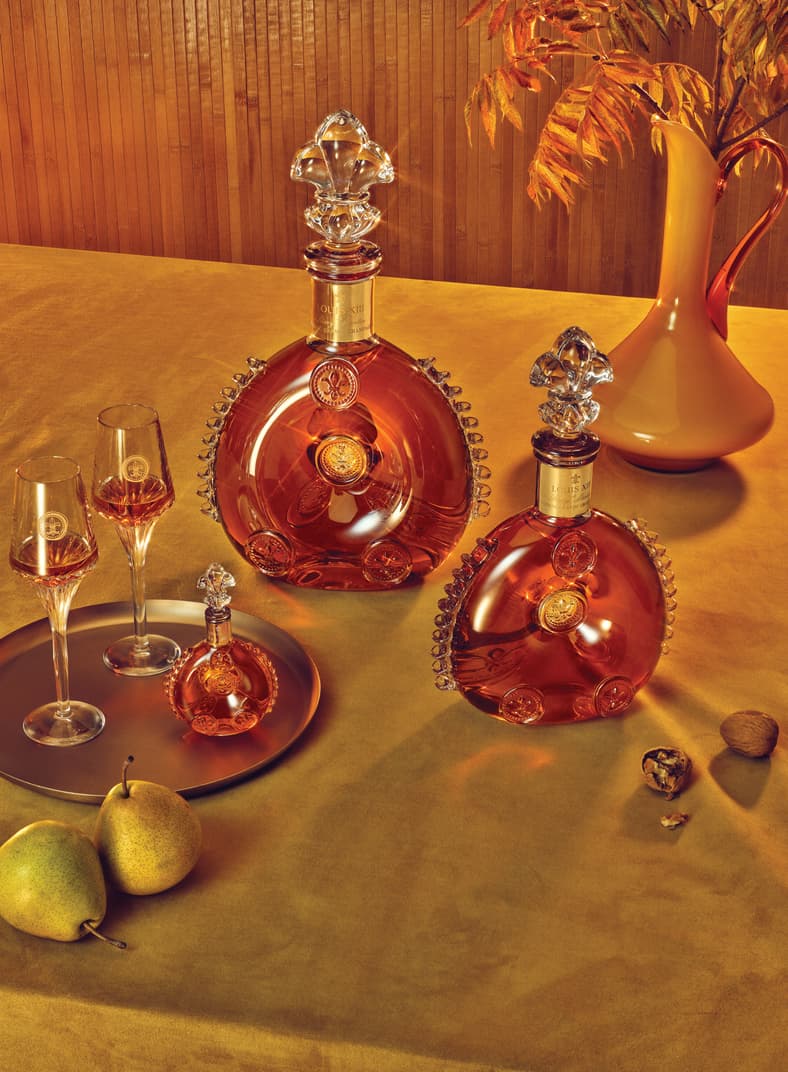
For Louis XIII, each release replicates a style first defined in the late 1800s, even as its components stretch back across literal centuries. This insistence on consistency across time is one of the great paradoxes of Louis XIII: each decanter contains spirits aged anywhere from 40 to well over 100 years, selected by cellar masters who knew they were building for successors they would never meet.
Memory As An Aromatic Language
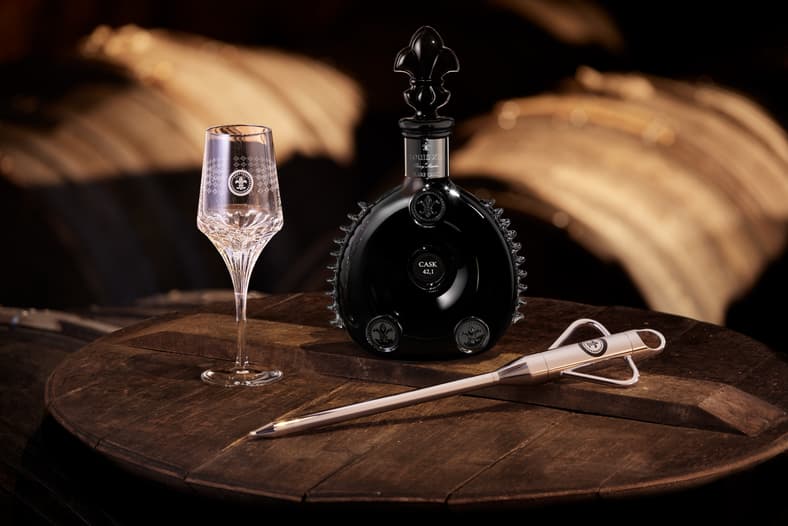
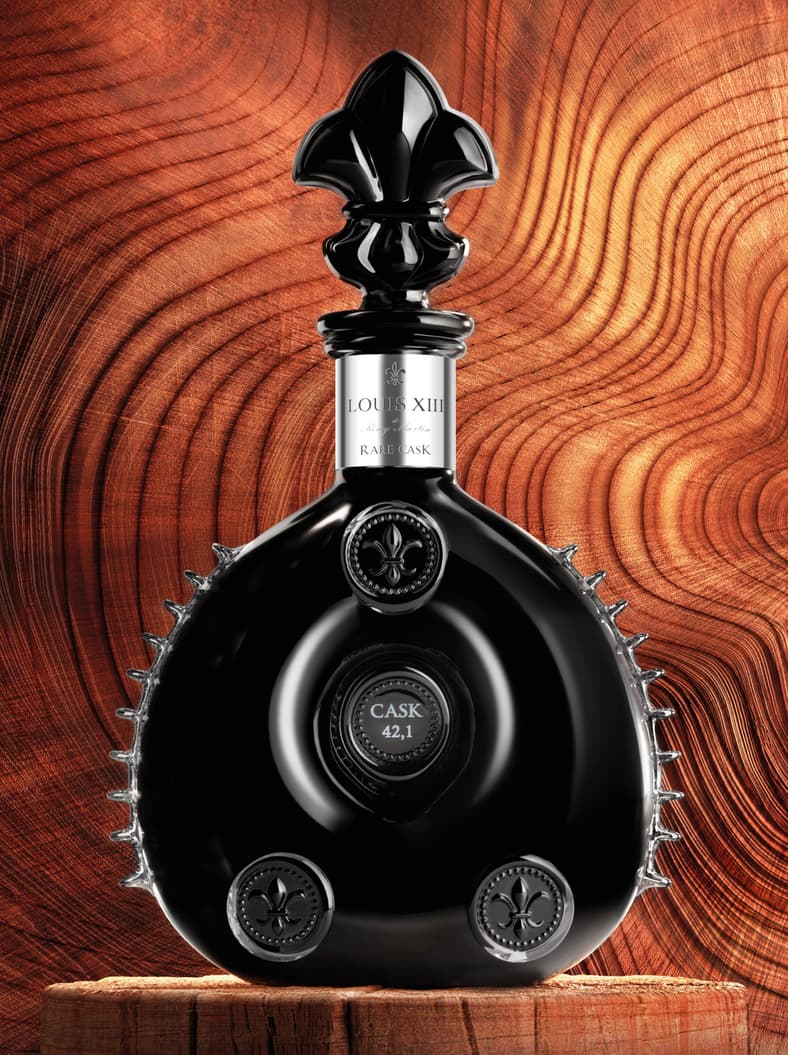
If Louis XIII is built on patience and consistency, Rare Cask is built on emotion. Unlike the traditional Louis XIII blend—which seeks faithful reproduction of a historic profile—the Rare Cask series isolates a single tierçon whose character is so singular it cannot be denied nor blended. Seeing as the previous Rare Cask 42.6 was released in 2013, well over a decade ago, the series’ exclusivity and rarity are unmatched.
For Loiseau, Rare Cask 42.1 marks a turning point. It was the first Rare Cask he personally selected and released, nearly ten years into his tenure. The decision was not governed by schedule or strategy, but by recognition. “It has to be something that is meaningful for the cellar master,” he shares. “It has to be something that you feel.”
That feeling arrived unexpectedly, carried specifically on scent. When Loiseau first encountered the tierçon that would become Rare Cask 42.1, its aromatics transported him decades back to the gardens of his grandparents. Raised near Cognac, he spent his childhood helping his grandparents tend gardens rather than vineyards, but he did not immediately recognize how formative those experiences would be. Tomatoes in summer, roses, lilacs, and peonies in bloom. Sun-warmed soil. Sniffing that tierçon, the blossoming of something patiently nurtured rushed back like nostalgia.
“With just one drop,” he recalls happily, “it was taking me back 30 years, to all the flowers I could help them care for at that moment.”
While the connection was immediate, the decision was not. Though identified in 2020, the cask required two to three additional years for its palate to find harmony. Loiseau followed the development closely, tasting, waiting, resisting the urge to intervene.
When the moment finally arrived, they poured the eaux-de-vie from the tierçon to measure its alcohol level: 42.1 percent, lending the decanter its name. No adjustments for the 775 decanters bottled. No blending. What remained was finite, irrevocable, and apart from its predecessors. Whereas earlier Rare Casks leaned toward autumnal richness—nuts, dried fruits, deeper hues—Loiseau believes 42.1 is brighter and more solar. Floral intensity gives way to exotic notes on the palate: orange blossom, passion fruit, sunlit freshness. Again, olfactory nods to a cellar master’s youth spent digging his fingers into the soil of his grandparents’ garden. Even the color reflects this shift, glowing with a lighter, almost summery radiance.
A Legacy Still Unfolding
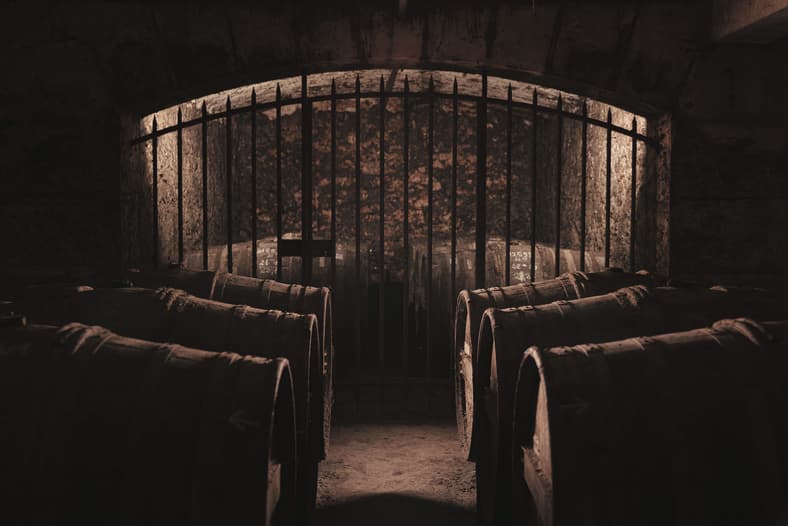
In the traditional Louis XIII blend, Loiseau sees himself primarily as a steward—charged with preserving a style created more than a century ago. Rare Cask, by contrast, allows for a rare dimension of authorship. It is the elusive moment when the young Cellar Master steps forward from behind the lineage. That balance between humility and intuition defines both the man and the house he represents. Louis XIII endures not because it resists change, but simply because it understands how slowly meaningful change must happen.
As Loiseau himself acknowledges, the work he does today is ultimately unfinished. The eaux-de-vie he selects will outlive him, evolving quietly in the cellars of Charente. In some distant decade, the Cellar Master’s protégé will decide their moment… if not his protégé’s protégé. That, perhaps, is the true luxury of Louis XIII: not rarity, nor prestige, nor its exorbitant $50,000 price tag, but the willingness to think in centuries. And to trust that time, handled with care, will always finish the work with command.
This article originally appeared in the Spring 2026 issue of Maxim magazine. Subscribe here.