
Driving A Manual Transmission Car Is Good For Your Brain, Study Says
Being a gearhead is actually good for your head.
An apple a day keeps the doctor away, and apparently, a daily manual-transmission drive also keeps your brain healthy. That’s the gist of a new study conducted by researchers at Tohoku University’s Institute of Development, Aging and Cancer that’s naturally being shared gleefully throughout the global automotive community.
According to an article by Japanese publication Best Car Web that’s been widely cited by Car and Driver, Road & Track, IGN, and other outlets, neuroscientist Ryuta Kawashima—who’s best known for aiding in the development of brain-stimulating video games for several Nintendo consoles—has “demonstrated” that driving a car with a stick shift can “help prevent dementia.”
While Best Car Web didn’t link to the study, the site did claim to directly quote the research, the operative statements being, “Because you have to judge and select the optimal gear according to the situation, it puts a better load on the brain’s cognitive functions than a passive automatic transmission (AT) car… According to Professor Kawashima’s research, regularly driving geared vehicles (motorcycles and MT cars) as a hobby has a significant effect on maintaining mental health and cognitive function.”
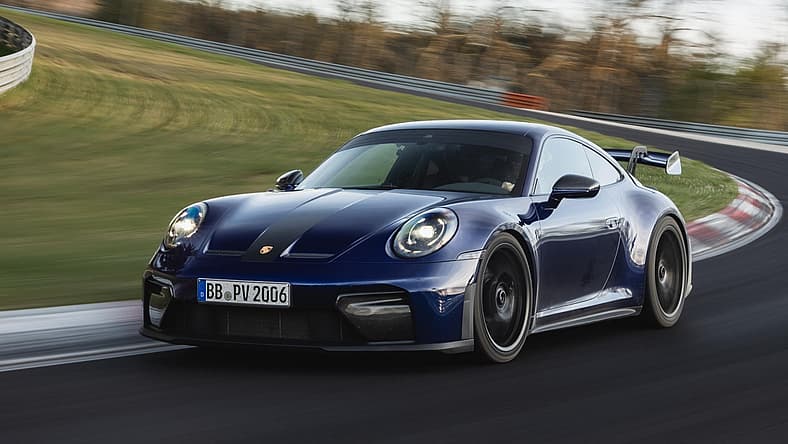
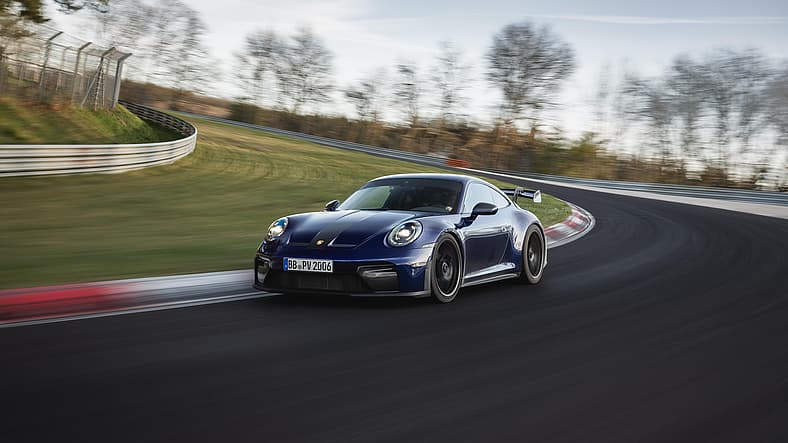
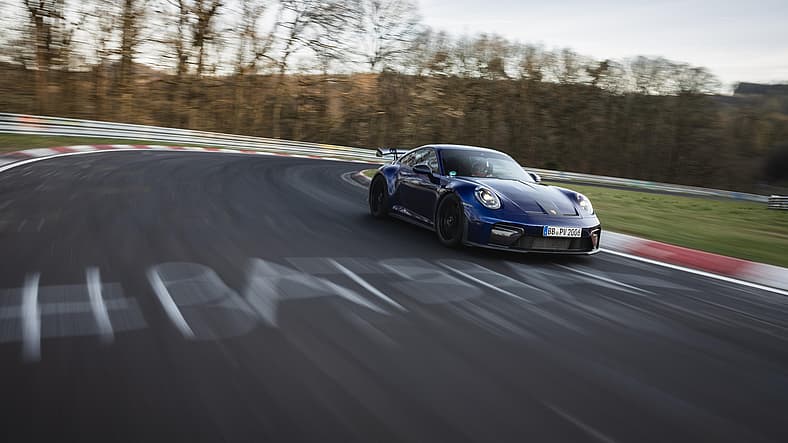
Unfortunately, manual production cars are on the verge of extinction. The Porsche 911 GT3 (pictured above)—which recently set the record for its transmission type at the Nürburgring—is still available, as are around 25 other models, including the Honda Civic’s sportiest trims, Subaru WRX, Toyota Tacoma, Jeep Wrangler, Chevrolet Corvette Z06, and BMW M4. Motorcycles, on the other hand, are available almost exclusively with a manual transmission—even if many new bikes feature quickshifters that don’t require actuation of the clutch to change gears.
So the next time someone accuses you of being a dinosaur for keeping a manual in the garage, kindly remind them: With age comes great wisdom.