
This Landmark Ferrari Book Reveals Secrets Of The World’s Greatest Supercar Maker
From Enzo’s private diaries to never-before-published archive photography, journalist Pino Allievi’s 700-page opus goes deeper into Maranello than any book before it.

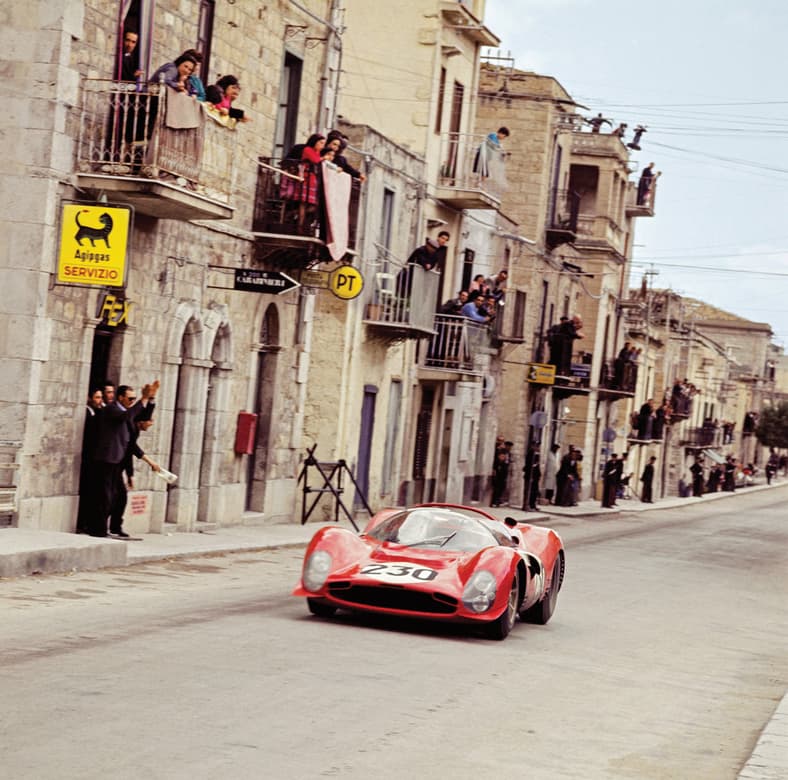
Since Enzo Ferrari founded his company in 1947, the Prancing Horse evolved and mutated into more than a manufacturer of racing cars and grand tourers; it is a symbol of obsession, ambition, heart-swelling beauty, and even contradiction. The Italian city of Maranello’s pride and joy exists at the intersection of engineering and emotion, competition and culture. It is a story told endlessly, many times in the pages of Maxim alone, through triumphant race results, exquisite photography, biographies, and enough coffee table books to collapse libraries. And yet, every few years, a new project emerges that suggests there is still more to say.
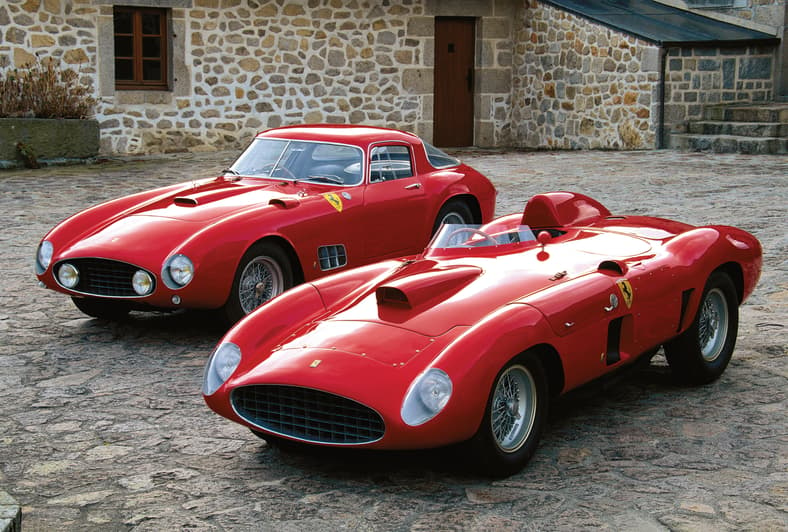
Taschen’s latest compendium, the concisely named Ferrari, is one of those rare projects. Spanning nearly 700 pages, the 13-pound tome is less a traditional coffee table volume than a definitive visual and historical monument of arguably the world’s most coveted automotive endeavor—one that approaches Ferrari not simply as a marque, but as a living mechanical organism shaped by people, places, and ideas over nearly eight decades. Ferrari is vast, immersive, and unapologetically ambitious, built on unprecedented archival access and years of painstaking research. At its center sits Giuseppe “Pino” Allievi, one of the most respected voices in motorsport journalism and a man uniquely positioned to script Ferrari’s story from the inside out.
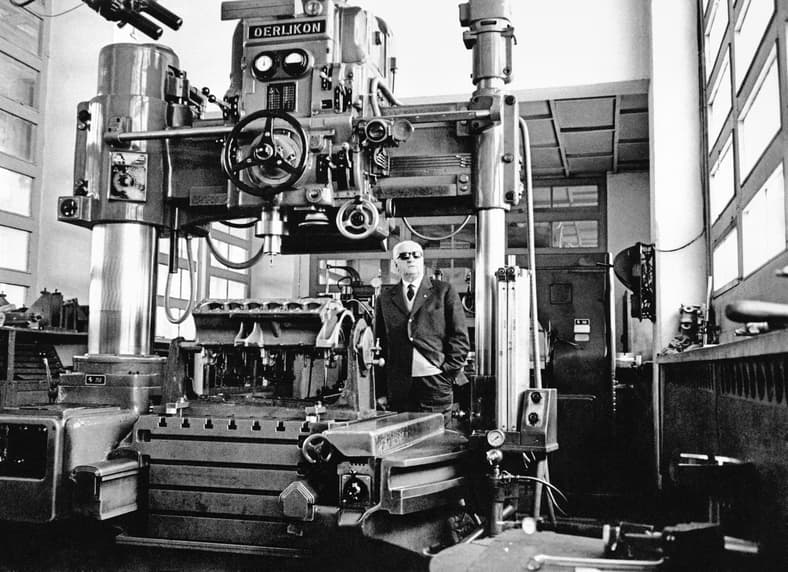
“The project grew out of a shared ambition—between Taschen and myself—to create something truly unprecedented about Ferrari, in a market already crowded with books on Maranello,” Allievi tells Maxim. “What sets this one apart is the depth of our knowledge—mine and that of my collaborators—of Ferrari’s history: the lesser-known corners, the unpublished stories, the behind-the-scenes events.”
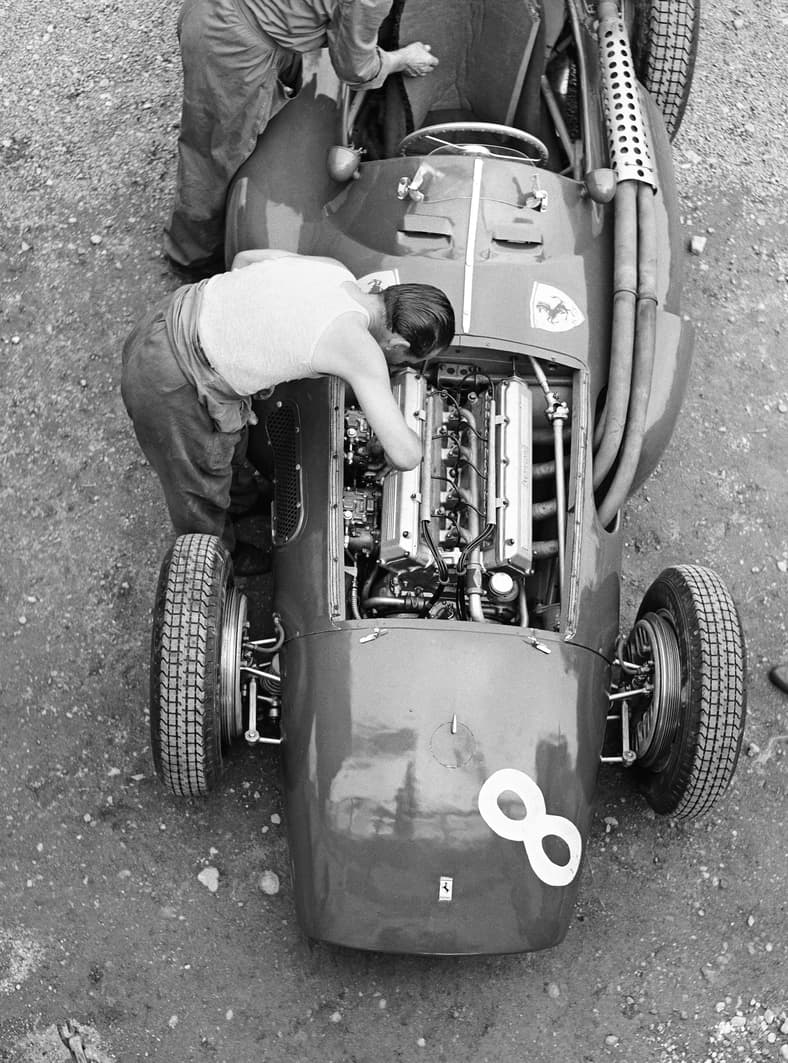
Even in a market saturated with books on Maranello, many beautifully produced and finely written, few truly push beyond the familiar mythology. With this project, the veteran F1 journalist explains, they conceived to do precisely that. “Creating a book is an adventure into the unknown,” Allievi divulges, “especially when the goal is to avoid retracing familiar ground.”
“The project grew out of a shared ambition—between Taschen and myself—to create something truly unprecedented about Ferrari.”
Author Giuseppe “Pino” Allievi
This depth of insight can only be achieved with someone of Allievi’s stature. Beyond decades-long work for La Gazzetta dello Sport, his relationship with the company runs much deeper than that of most historians. In 1988, the author worked directly with Enzo on a book of the founder’s memoirs, the widely acclaimed Ferrari Racconta. Revealing never-before-seen insight into the man behind the legend, the book would be the founder’s last work.
This proximity and ambition unlocked ever more doors rarely opened. Ferrari granted access to its archives, while private collectors contributed material never before published. Perhaps most remarkably, Piero Ferrari himself allowed the team to photograph his father’s personal diaries—objects long shrouded in near-mythical status.
“I remember with real fondness the moment when Piero, after searching through the crowded cellars of his building in Piazza Garibaldi in Modena, managed to find his father’s diaries,” Allievi recalls of the book’s transformative event. “Enzo had the habit of noting—every single day—his appointments, meetings, and even his thoughts about the people he lunched with.”
Those diaries, written in Enzo’s tiny, disciplined handwriting using distinctive purple ink, offered a scarce window into the formative decades of the company. Leafed through on a sweltering Italian summer morning, “when most Italians were already off on vacation at the seaside,” Allievi sighs eloquently, their terse entries opened vast narrative doors. Patterns of thought, obsession, and control were exposed that would come to define Ferrari’s culture to the present day.
That profound level of intimacy informs every page of Taschen’s tome, which balances reverence with critical distance, detailed rapport with a birds-eye scale. If the book’s physical heft speaks to Ferrari’s dominance, its emotional weight comes from moments of discovery. Small, human details that illuminate the man known as il Commendatore’s inner world.
“I want my cars to have a soul that makes them different from all the others.”
Enzo Ferrari
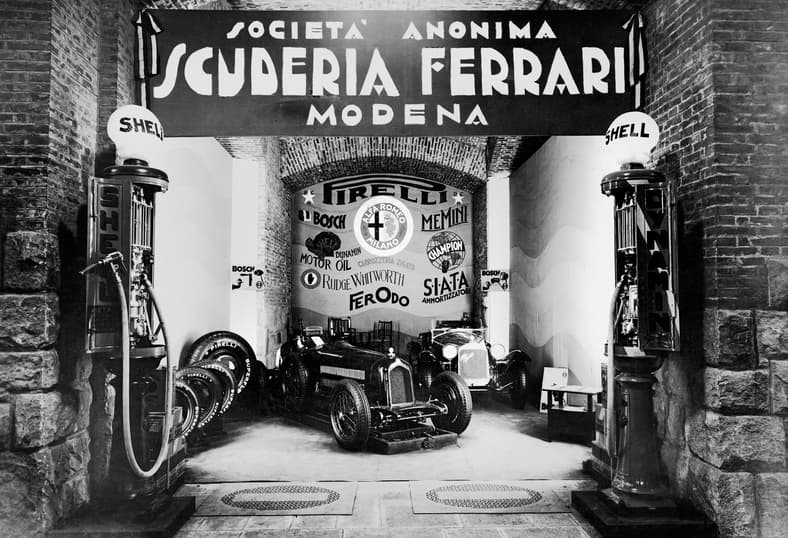
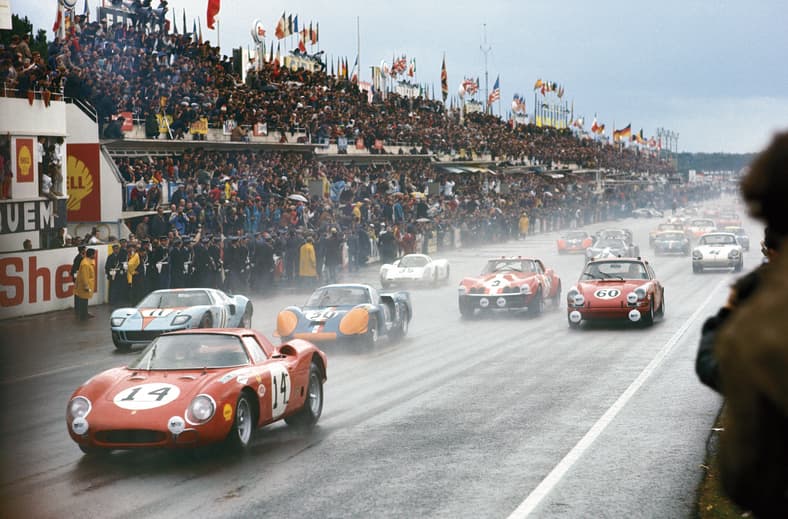
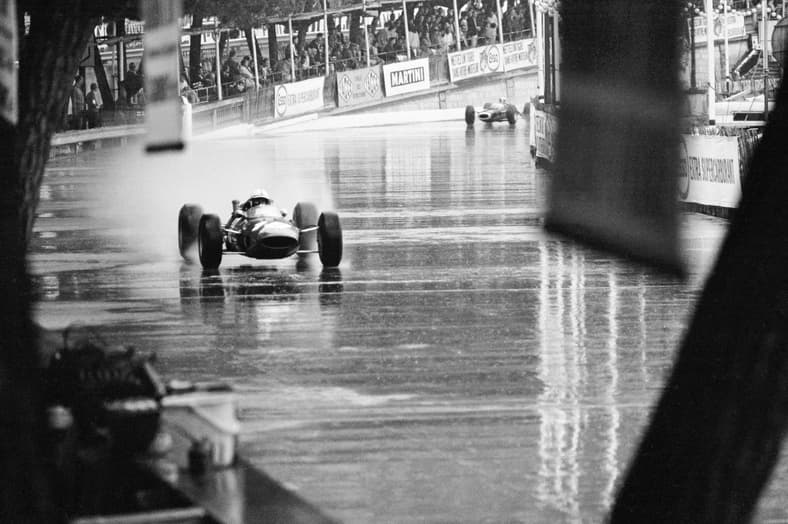
It is these singular perspectives that elevate Ferrari the book beyond chronology. The marque of Ferrari is not presented as an uninterrupted march of victories, but as a human enterprise shaped by temperament, intuition, and stubborn determination. Meanwhile, Taschen’s well-earned reputation for visual excellence shines in full effect here, Ferrari drawing from some of the finest photographic archives in the world. But here, photography functions as evidence more than spectacle.
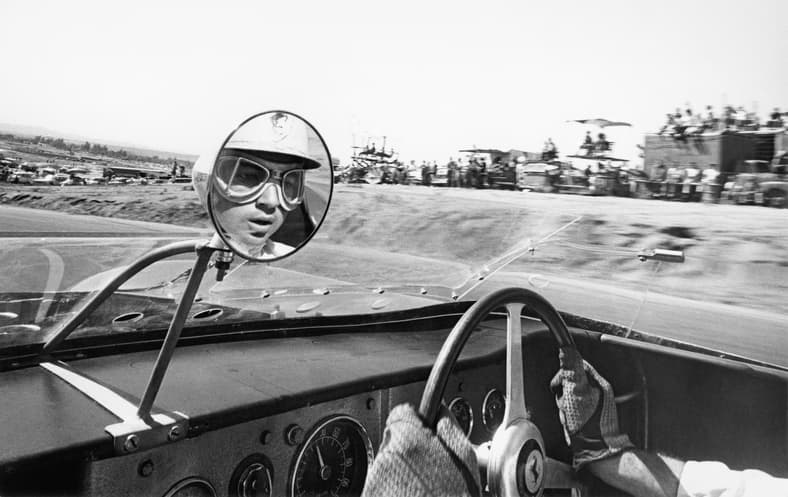
“I vividly remember driving up the freeway from Los Angeles to Santa Barbara with Andy Disl, the book’s designer, to meet one of the great photographers featured in the volume, Jesse Alexander,” Allievi shares of a particular road trip to source both visuals and anecdotes for his book. “With extraordinary warmth, Jesse showed us the treasures he had captured during his years in Europe following Phil Hill.” Hill, of course, piloted the iconic “Sharknose” Ferrari 156 to glory in 1961, becoming the first American Formula 1 world champion.
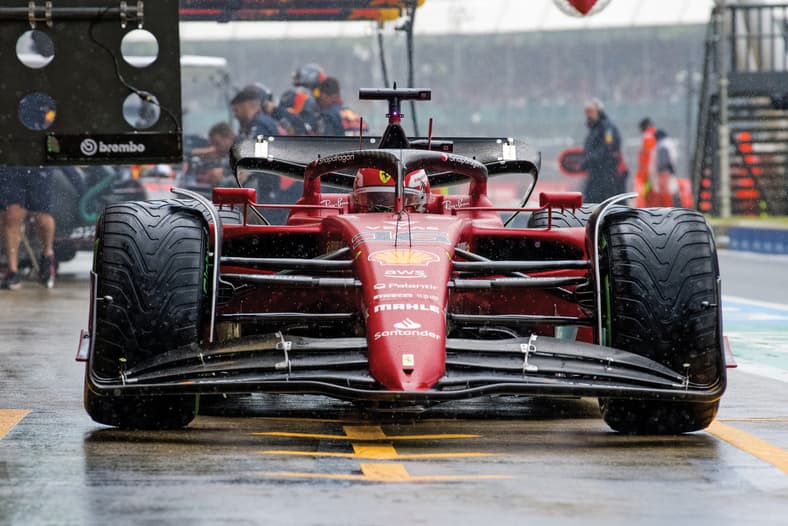
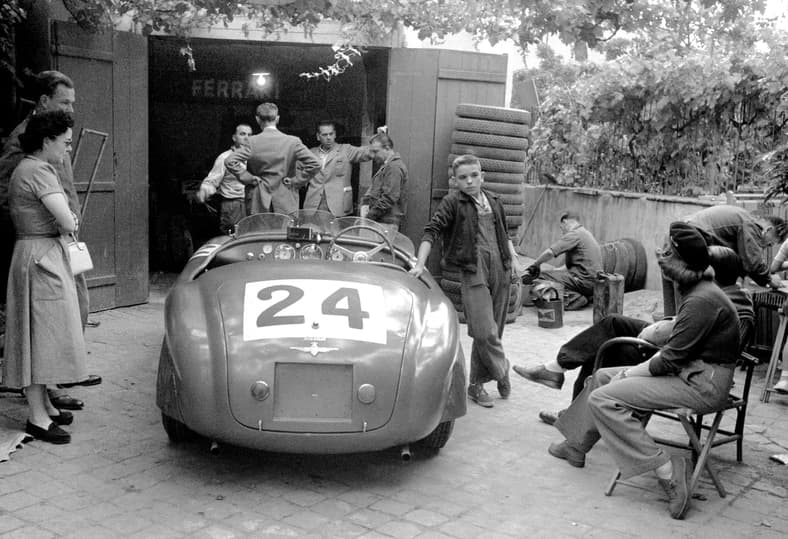
These images, often taken far from the podium, remind the reader that Ferrari’s racing history is not just about machines, but about people living nomadic, uncertain, and often perilous lives in pursuit of speed and glory. Ferrari also devotes significant attention to the brand’s road cars—not as luxury objects alone, but as expressions of an evolving cultural philosophy. Conversations with Flavio Manzoni, Ferrari’s celebrated Chief Design Officer, reveal a creative process rooted as much in history and philosophy as in aerodynamics.
“It confirmed for me how Ferrari’s creative process grows out of a cultural vision that goes far beyond the purely technical or mechanical,” Allievi notes. “It reaches into history, society, philosophy—details the wider public may overlook, but which are part of Ferrari’s DNA and reflect a coherence dating back to 1947.”
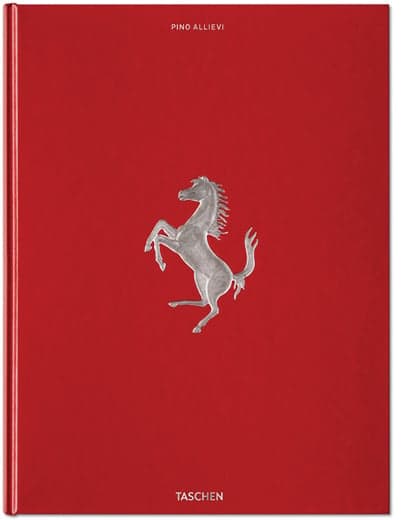
From clay models hidden in the corners of Manzoni’s offices to grand tourers that may never reach production, Ferrari is revealed as a brand defined by continuity—one that evolves without severing its roots. At its core, Ferrari is not simply about speed, victory, or design. It is about Italian identity. Enzo once said, “I want my cars to have a soul that makes them different from all the others.” That soul, Allievi believes, remains intact.
Follow Deputy Editor Nicolas Stecher’s travel, spirits and automotive adventures on Instagram at @nickstecher and @boozeoftheday. This article originally appeared in the Spring 2026 issue of Maxim magazine. Subscribe here.