
The Spanish Burning Man: Why Valencia’s ‘Fallas’ Festival Is Europe’s Wildest Party
Part Carnival, part pyromaniac’s dream, this five-day marathon of fire, silk, and deafening explosions makes Ibiza look like a library.
Just before the spring equinox each year (around mid-March), the biggest party you’ve never heard of takes place in Valencia, Spain. It’s called Fallas, and it’s an epic celebration of fire, music, food, style, culture and noise that lasts for five exhilarating and exhausting days. You’ve never seen anything like it before, and I can promise you’ve never experienced anything like it either.
Valencia, on the country’s eastern coast, is primarily known—if known at all—for its sweet oranges and wide beaches but has never really been on the radar for most American travelers. Perhaps this is why Spain’s third largest city feels like an exciting discovery instead of a tour stop.

With its balmy Mediterranean weather, palm trees, a popular five-mile-long public park that follows the old riverbed, and an appealing blend of disparate but complementary architecture—from the ancient medieval to belle epoque to hyper contemporary, Valencia feels unique and inviting. And with about 800,000 people, the city is big enough to get lost in but small enough to be walkable and manageable. Better still, I was told Valencia is rated Spain’s safest and cleanest city, which there’s no reason to doubt.
Fallas is something the envelopes and captivates the entire city. It’s not just an area or segment of Valencia that celebrates this festival, it’s e-v-e-r-y-o-n-e. From adults and children, to teenagers and senior citizens, to families with babies, the entire populace makes this five-day party their priority. It’s said the roots of Fallas are the pagan practice of shooing away the bad weather and bad spirits of winter to make way for springtime and new beginnings, which required bonfires and lots of noise. Over time, this evolved into the multi-tiered festival that it is today. To break it down (simply and albeit incompletely), there are several components to the Fallas festival.
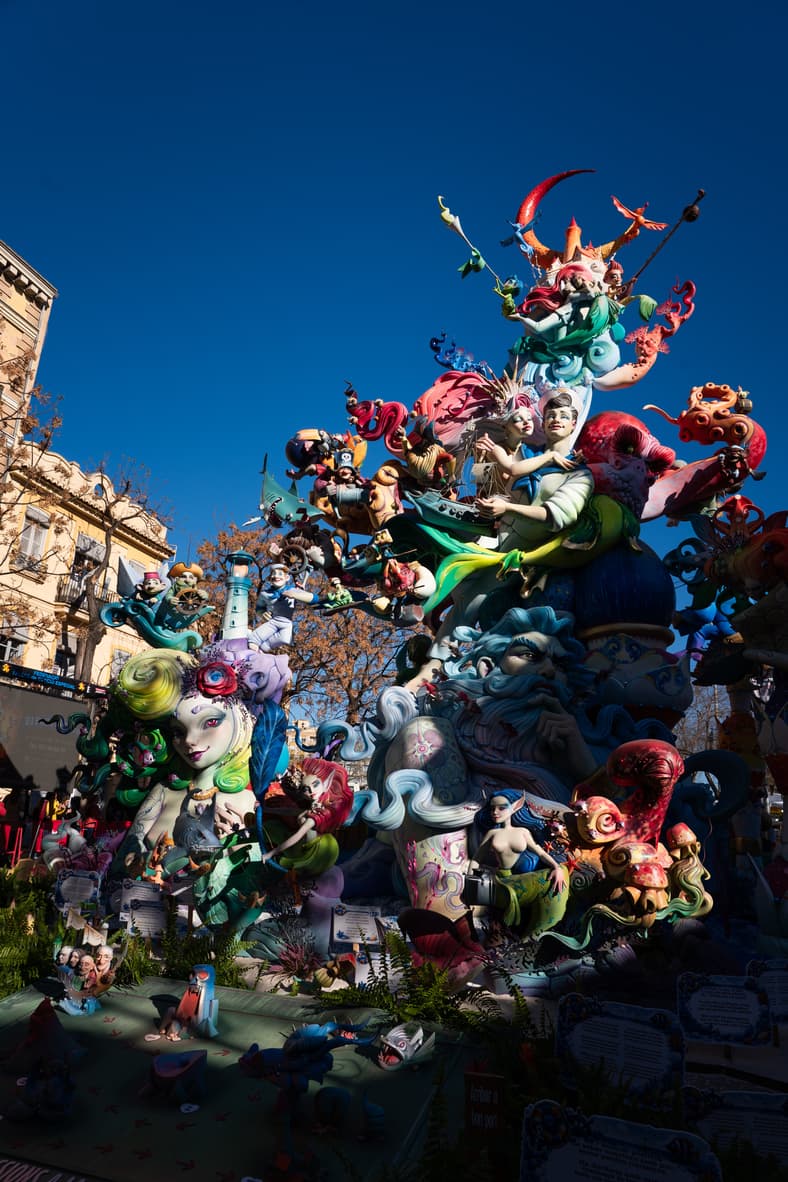
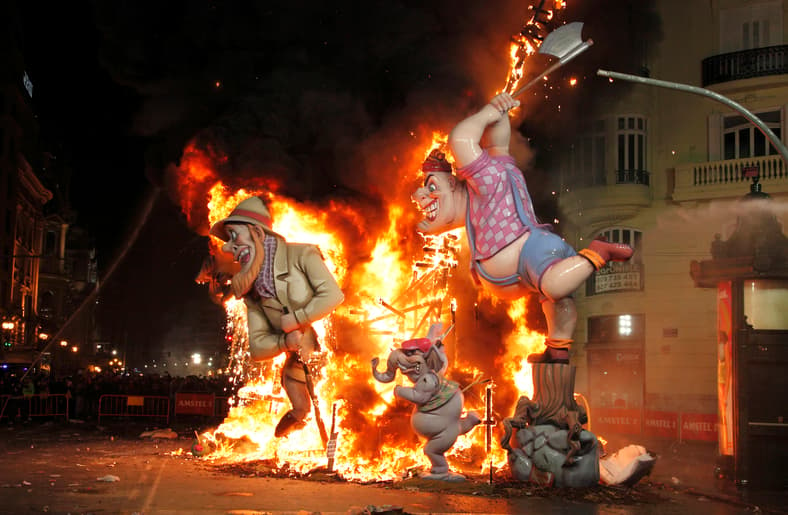
First, there are the fallas themselves, which are huge, highly detailed, expertly constructed caricatures (what Americans might call permanent floats) rising as high as 100 feet in the air, some of which have a budget of more than $250,000, all paid for and created by neighborhood associations. Of the many hundreds of fallas throughout the city—placed in plazas large and small, most make some kind of commentary on current events, which includes local politicians and athletes, celebrities and world leaders. The fallas are judged by a committee, with awards given, and remain on public display from Sunday until they’re burned as gigantic bonfires called la crema on Thursday night.
Every day during Fallas at two o’clock in the afternoon there’s a massive explosive event called la mascleata, which, I promise, will render you temporarily deaf. If you thought Fourth of July was something, wait until you experience this. The power and duration of these explosions is so big it shakes the ground and requires that if you plug your ears, you must open your mouth so as not to damage your eardrums.

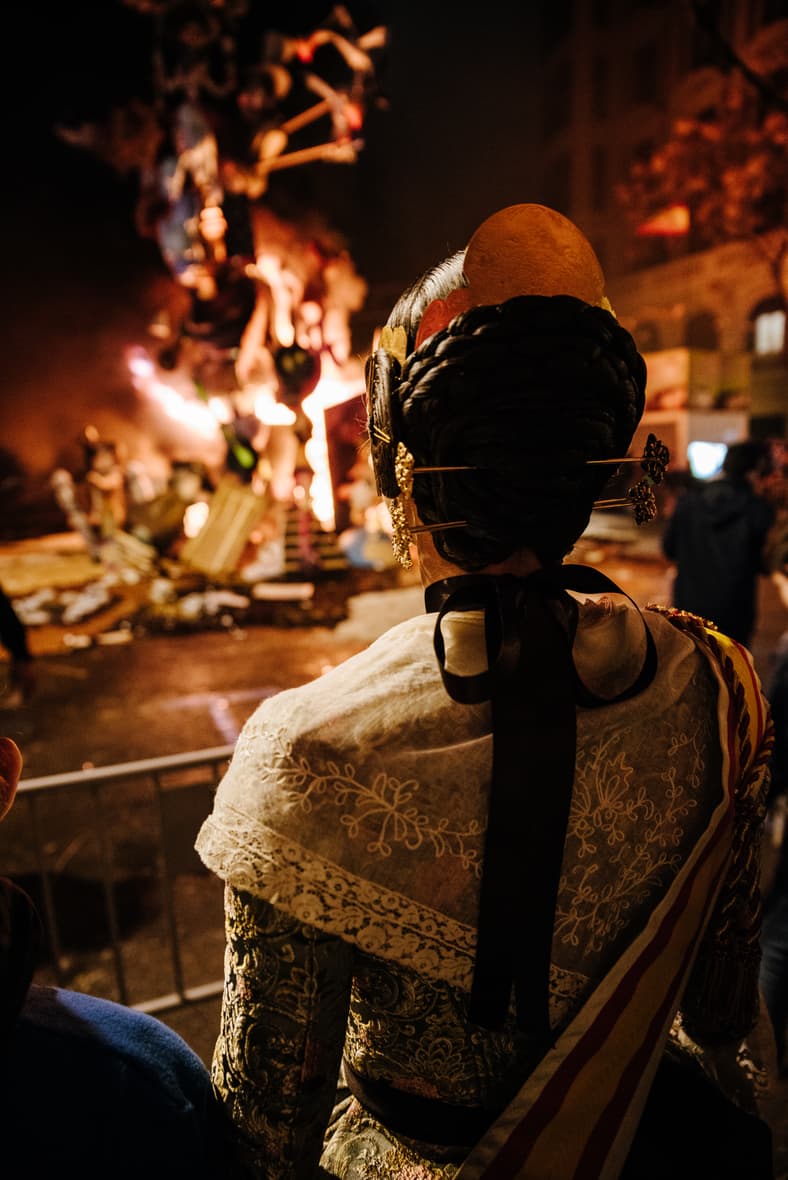
Also, each day of Fallas sees processions through the streets of Valencians dressed in colorful traditional costume. The women all wear their hair with the distinctive braided side-buns (which was said to have been the inspiration for Princess Leia’s hair in Star Wars), and are fitted in their stunningly beautiful silk dresses, which can cost up to $5,000 to make, while the men dress in colorful silk vests and bandanas slightly reminiscent of pirates.
All of whom, meanwhile, are followed by marching bands playing traditional tunes. These processions culminate in the ultimate parade of tradition and devotion on Wednesday evening when all Valencians march in la ofrenda, where they solemnly offer bouquets of carnations—in the tens of thousands—to adorn an enormous Virgin Mary erected specifically for this purpose. The whole affair is incredibly beautiful to witness.
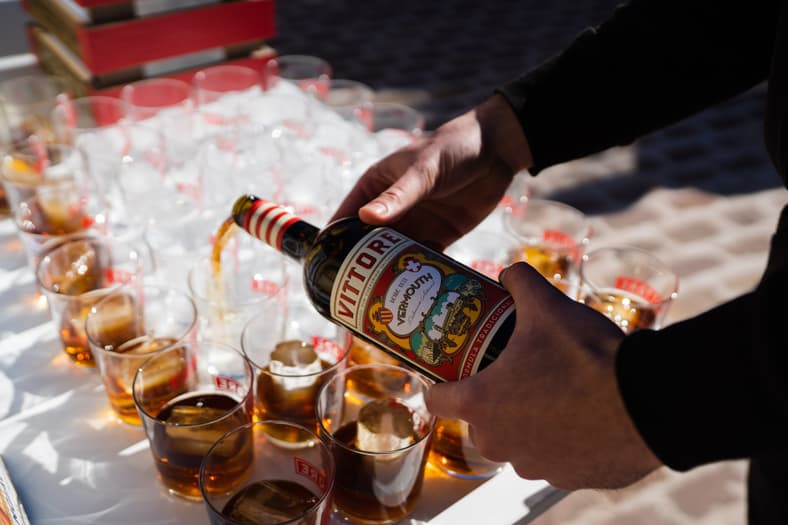
Of course, during each of the five days, to accommodate the processions, marching bands and explosive mascletas, all the neighborhood associations are on the streets cooking gigantic plates of paella—the famous rice dish invented in Valencia—for all participants and even curious visitors, while wine, sangria and beer flow plentifully. And the partying continues well into the night with music, food, drink and endless deafening firecrackers.
While Spain is world-famous for partying until sunrise, it’s usually reserved for the weekends. Not during Fallas. Every night in Valencia is like New Year’s Eve in Times Square, packed with hundreds of thousands of revelers who, strangely, are extremely polite, and party until the wee hours. If that weren’t enough, every morning at eight o’clock marching bands go through the city streets in what’s called la despierta, or the wake-up. So, essentially, there is no sleep for anyone during Fallas (even with earplugs inserted and overlayed with headphones playing white noise while entombed inside my hotel room on the 9th floor).
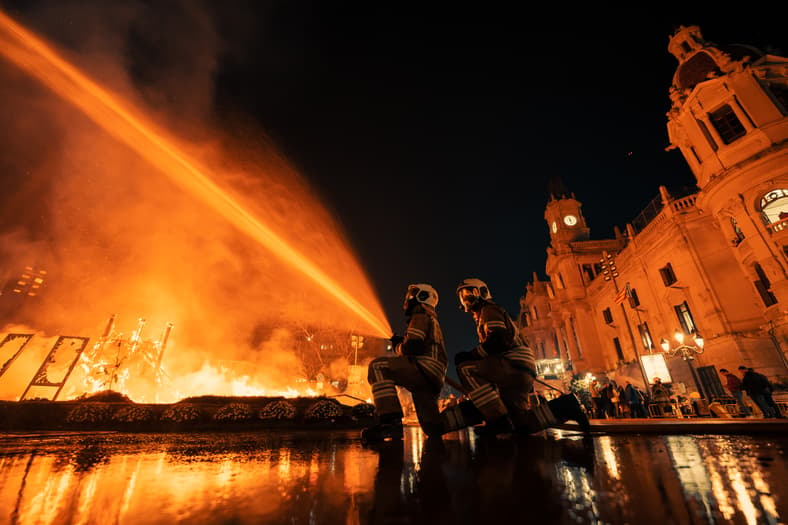
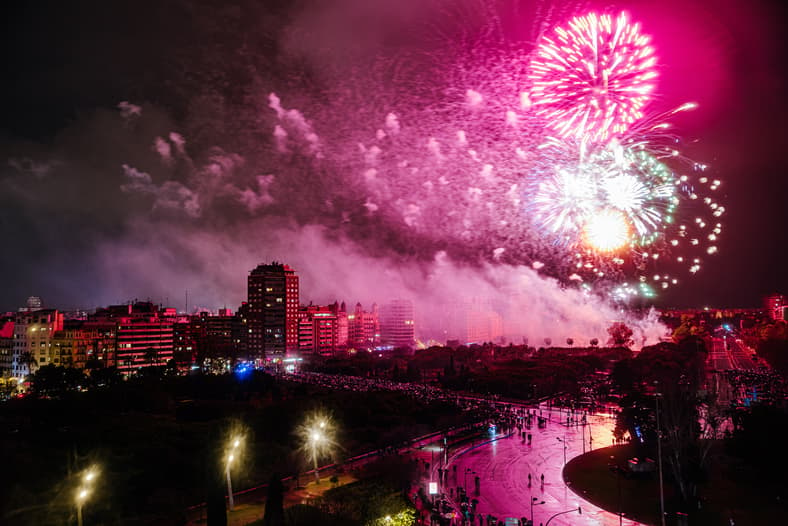
On the second to last night, there’s the nit de foc, or night of fire, which is an enormous fireworks display consisting, I was told, of more than two tons of professional-grade fireworks lighting up the sky. Then, on Thursday night—the last night of Fallas, the bonfires of la crema begin. Because there are so many, you need to consult the schedule and choose beforehand which ones you want to see burn, especially because crowds begin amassing at the most popular fallas hours in advance. And since they’re located inside city plazas, it means local firemen need to be on hand to hose down the nearby buildings and trees so they don’t burst into flames too.
The proximity of everything, from the edifices to the blazing fallas and how close people stand near them, is mind-blowing from an American viewpoint. This also means that everyone in attendance get doused with spray from the firehoses and covered in ash from the burning effigies. (Although, not once did I hear of anyone ever getting injured.) Standing there, watching these massive artworks that took thousands of dollars and hours to create burn and crash to the ground while everyone cheered was, to say the least, an unforgettable experience.
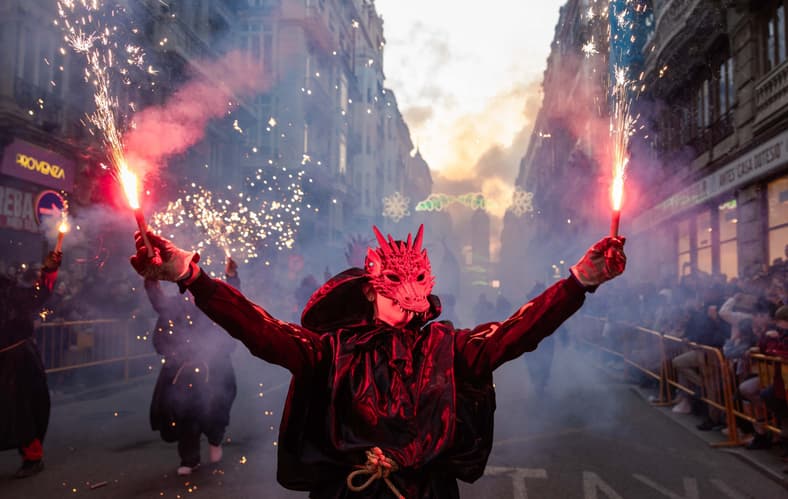
I haven’t even mentioned other activities during Fallas, like the huge parade called cavalcade de foc, or fire parade, where costumed devils spew flames and sparks at onlookers as they symbolically usher out winter, or the bullfights each evening featuring the best matadors in the country, or the hundreds of tapas bars and—what Europe excels at—outdoor cafés for endless people watching, or the spontaneous eruptions of live music and dancing in the most random corners of the city.
There’s so much to do during Fallas that you’ll never be bored. And that’s a good thing too, because you’ll be awake for five days straight. You won’t get any sleep, you’ll be stuffing yourself with some of the best food and drink you’ve ever had, and you’ll certainly lose some of your hearing, but wow, Spain’s biggest and most head-spinning party is absolutely worth it.
@JaredZaugg can be found at the intersection of lifestyle, motoring, travel and culture.