
Audi’s Electric Concept C Is Officially Heading Into Production
The next-gen electric Audio sports car will be realized with a new development process dubbed “China Speed.”
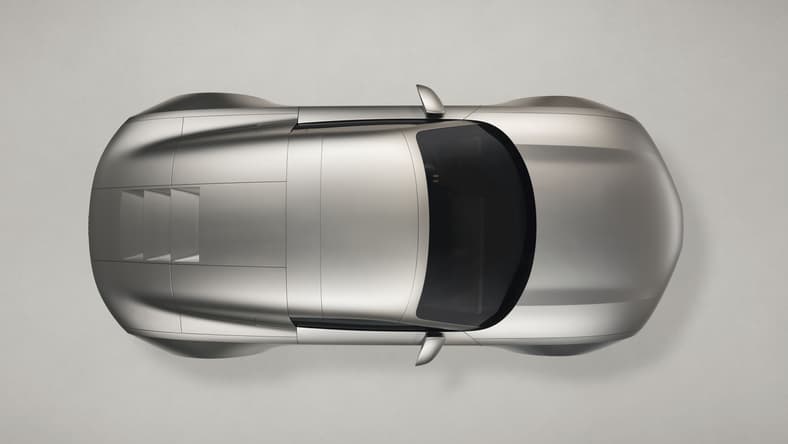
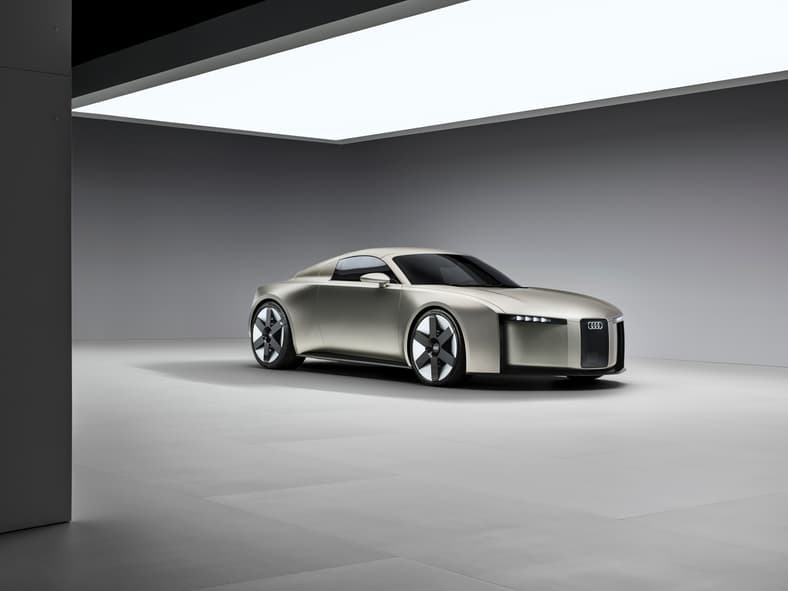
The sleek electric concept car that was speculated to be a replacement for the Audi TT will indeed make it to market, according to the German marque’s CEO. Road & Track suspected as much in initial coverage of the so-called Audi “Concept C,” noting that the TT sports car and R8 supercar were both introduced as concept cars.
The outlet has been vindicated, as Audi head Gernot Döllner told Australian magazine GoAuto that the next-gen electric sports car is headed to production, even offering a timeline.
“Whenever we present a new concept, it will always be a serious product”—that statement alone is noteworthy, as it’s a promise that Audi won’t publicly reveal concepts as clickbait. “The first proof point of our strategy is the Concept C. We presented that last September, and within two years, we will have it in the market.”
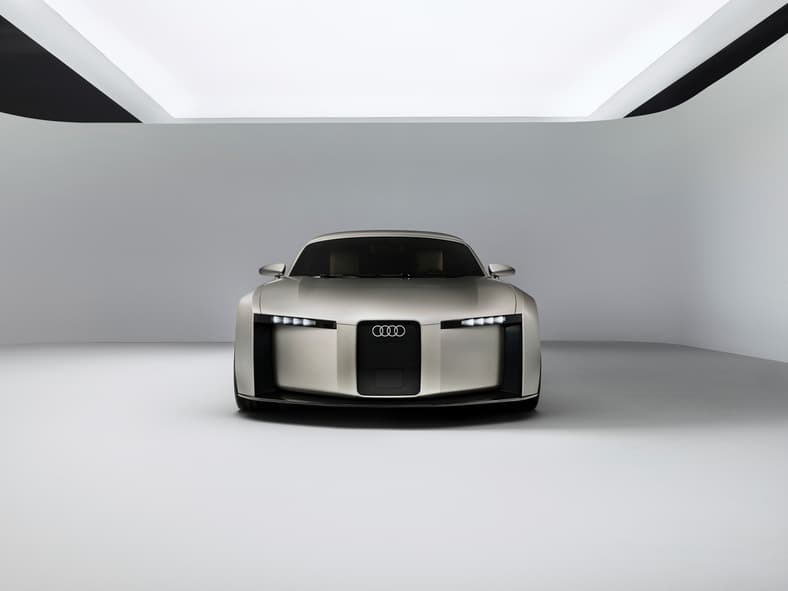
The Concept C is the first in a line of Audi vehicles that will be conceptualized and then fully realized under an overhauled development cycle that will transform the entire company, all in the name of faster production. GoAuto points out that, among other factors, mounting energy prices and labor costs of EV production have made it difficult for European automakers to compete with Chinese counterparts, which are delivering premium vehicles with lower prices at a faster pace.
“We call it ‘China speed’ in Ingolstadt,” said Döllner. “We (have) completely adapted that to our processes in Germany. Not so far in the future, we will prove that we are able to react as fast as we do in China—but in European programs.”
To achieve “China Speed,” Audi is restructuring how new models are brought to fruition by putting design, engineering, procurement, manufacturing, supplier relations, and quality control under one roof and a single leader. In conjunction with the in-house development philosophy, all approval committees deemed unnecessary are being axed.
“Project houses are absolutely necessary if we want to be this fast,” Döllner added. “You cut out committees. You have this speedy decision process with very fast involvement with the board. I am having spontaneous project meetings every week. The key to fast projects is in the early phase—the alignment between design, engineering and testing teams—to set up a stable project that can be validated in a very short timeframe.”
One of those project houses contains the Concept C, boasting a design that was most directly inspired by the 1936 Type C grand prix car from Auto Union—the marque comprised of Audi, DKW, Horch and Wanderer that preceded Audi as its known today—as well as the 2004 A6.
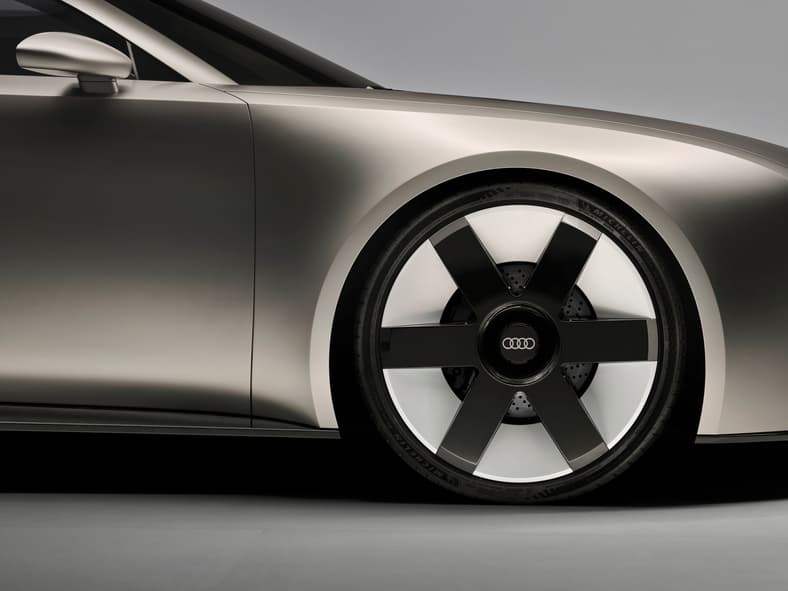
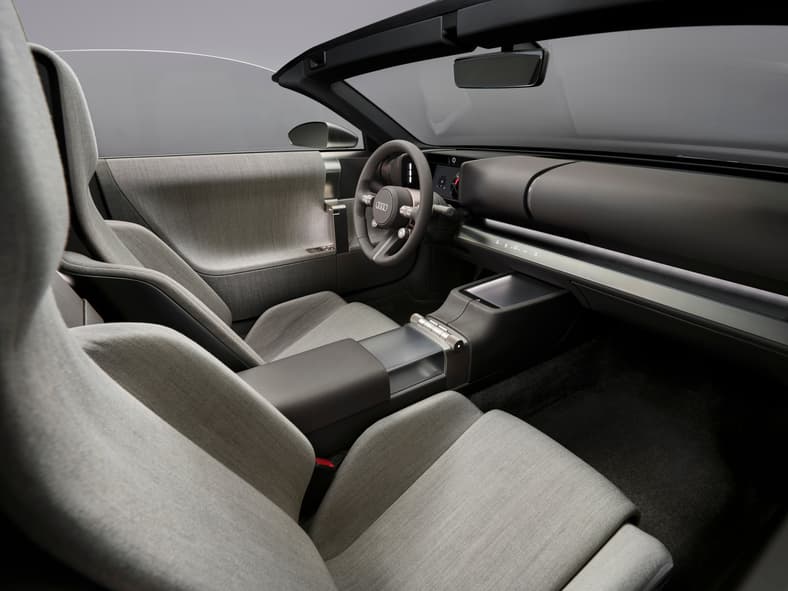
The Concept C features a strong shoulder line, a first-for-Audi electronically retracted hardtop that comes apart in two pieces, horizontal slats at the rear, and a Titanium paint coat that’s evocative of a silvery hue offered on first-generation TTs. Inside is a 10.4-inch foldable display, haptic controls on the steering wheel and center console, anodized aluminum controls, and a monochromatic “tone-on-tone” finish that doesn’t stray far from the exterior color.
More details will be revealed as the Audi Concept C draws closer to its 2028 arrival date.